
Medical Disclaimer: This information is for educational purposes only and is not intended to diagnose, treat, cure, or prevent any disease. Neurofeedback devices may require FDA clearance. Always consult with qualified healthcare providers before beginning any treatment. Individual results may vary, and this treatment approach should supplement, not replace, conventional medical care.
When conventional approaches to mental health challenges like ADHD, anxiety, and depression provide limited relief, some Utah residents explore complementary treatments like neurofeedback therapy. As a licensed naturopathic doctor practicing integrative medicine in Utah, I understand patients' interest in evidence-based, non-pharmaceutical approaches that may complement traditional medical care.
Neurofeedback, also known as EEG biofeedback, is an emerging brain training technique that some practitioners use as part of comprehensive treatment plans. While research on neurofeedback continues to evolve, studies suggest it may offer benefits for certain individuals when used appropriately alongside conventional medical care.
Important: Before considering neurofeedback or discontinuing any prescribed medications, consult with your primary healthcare provider or specialist to ensure appropriate medical oversight.
Understanding Neurofeedback: An Emerging Brain Training Approach
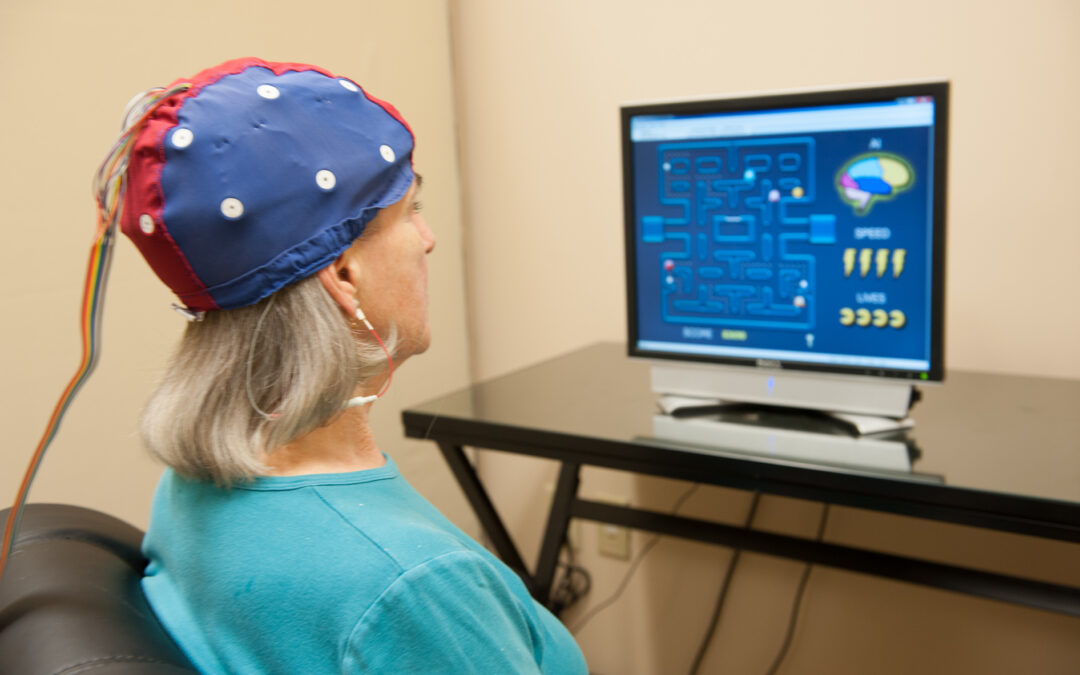
Neurofeedback therapy involves real-time monitoring of brain wave activity through electroencephalography (EEG) technology. During sessions, sensors placed on the scalp detect electrical brain activity, which is then displayed through visual or auditory feedback to help individuals potentially learn self-regulation techniques.
The Science Behind Brainwave Monitoring
Research indicates that the brain operates through measurable electrical patterns that correspond to different states of consciousness and attention. Some studies suggest that when these patterns become dysregulated due to various factors, symptoms associated with attention, mood, and sleep may result.
The theoretical foundation of neurofeedback relies on neuroplasticity—the brain's ability to reorganize throughout life. Research suggests that repeated training sessions might help establish more regulated patterns, though individual responses vary significantly.
Research Limitations: Current evidence for neurofeedback effectiveness varies by condition, with some areas showing more promising results than others. More large-scale, controlled studies are needed to establish definitive efficacy.
Integration with Naturopathic and Integrative Medicine in Utah
Licensed naturopathic doctors in Utah may incorporate neurofeedback as one component of comprehensive treatment plans that also address nutrition, lifestyle factors, and stress management.
Comprehensive Assessment Approach
Before considering neurofeedback, a thorough evaluation should include:
- Medical history review
- Current medications and treatments
- Nutritional status assessment
- Sleep quality evaluation
- Stress level analysis
- Coordination with primary healthcare providers
Personalized Protocol Development
Treatment protocols are typically customized based on individual needs, symptoms, and goals. This personalization aligns with integrative medicine principles while maintaining appropriate medical oversight.
Research on Neurofeedback Applications
Current research has examined neurofeedback for various conditions, with varying levels of evidence:
Attention Deficit Hyperactivity Disorder (ADHD)
Some studies suggest neurofeedback may offer benefits for ADHD symptoms. Research has found moderate evidence for neurofeedback in reducing ADHD symptoms, though effects were generally smaller than established treatments.
Important Consideration: The American Academy of Pediatrics continues to recommend behavioral therapy and, when appropriate, FDA-approved medications as first-line treatments for ADHD.
Anxiety and Stress-Related Conditions
Research suggests neurofeedback might help with anxiety symptoms in some individuals.
Research suggests neurofeedback might help with anxiety symptoms in some individuals. Some studies show improved self-regulation of brain activity, which can lead to reduce symptoms over time.
Depression and Mood Concerns
Studies examining neurofeedback for depression have found mixed results that varied significantly among participants.
A growing body of research shows promising outcomes from neurofeedback for many individuals struggling with depression, particularly when protocols are tailored to the person's unique brain patterns. These findings suggest neurofeedback may offer a valuable, non-invasive option for those seeking alternatives to traditional treatments.
Post-Traumatic Stress Disorder (PTSD)
Some research has explored neurofeedback for PTSD symptoms, with studies reporting benefits. Evidence-based treatments combined with trauma-focused therapy remain the recommended approaches.
Veteran Resources: Utah veterans are encouraged to explore evidence-based PTSD treatments in combination with Neurofeedback. Neurofeedback is emerging as a promising, non-invasive option that veterans can find helpful in managing symptoms. It can be explored alongside traditional care to support overall healing and recovery.
What to Expect During Neurofeedback Sessions in Utah
Initial Consultation and Assessment
Qualified practitioners should conduct comprehensive evaluations that may include:
- Detailed health history
- Current symptom assessment
- Review of medications and treatments
- Discussion of realistic expectations
- Coordination with existing healthcare providers
Session Structure and Environment
Typical neurofeedback sessions involve:
- Comfortable, clinical setting
- Non-invasive sensor placement
- Real-time feedback through visual or auditory cues
- Sessions lasting 30-60 minutes
- No electrical stimulation to the brain
Timeline and Expectations
Most protocols involve multiple sessions over several weeks to months. Important considerations include:
Realistic Expectations:
- Benefits, if experienced, typically develop gradually
- Individual responses vary significantly
- Some people may not respond to treatment
- Improvements may be subtle rather than dramatic
Utah-Specific Considerations for Neurofeedback
High-Altitude Effects
Utah's elevation may affect some individuals' brain function and adaptation to neurofeedback. Discuss altitude-related considerations with practitioners familiar with high-altitude physiology.
Seasonal Factors
Utah's seasonal changes may influence mood and brain function. Consider how seasonal affective patterns might interact with treatment timing and expectations.
Local Healthcare Integration
Utah residents should ensure that neurofeedback practitioners coordinate with:
- Primary care physicians (When appropriate)
- Mental health providers (When appropriate)
- Neurologists (when appropriate)
- Pediatricians (When appropriate for children)
Safety Considerations and Contraindications
Neurofeedback is generally considered safe when administered by qualified practitioners. However, certain considerations apply:
Potential Limitations and Risks
- Temporary fatigue after initial sessions (reported by some individuals)
- Headache (rarely reported)
- Emotional changes during the adjustment period
- Delayed access to established treatments if used exclusively
When to Exercise Caution
Individuals should consult specialists before neurofeedback if they have:
- Active seizure disorders (neurologist consultation required)
- Severe psychiatric conditions requiring medical management
- Recent brain injuries or surgeries
- Implanted medical devices
Medication Considerations
Critical Warning: Never discontinue psychiatric medications without physician supervision. Neurofeedback should complement, not replace, prescribed treatments.
Choosing Qualified Neurofeedback Providers in Utah
Professional Qualifications to Verify
Look for practitioners with:
- Appropriate licensing (naturopathic doctor, psychologist, licensed therapist)
- Biofeedback Certification International Alliance (BCIA) certification
- Specific neurofeedback training documentation
- Professional liability insurance
- Continuing education in neurofeedback
Questions to Ask Potential Providers
- What are your professional qualifications and certifications?
- How many patients with my condition have you treated?
- What equipment do you use, and is it FDA-cleared?
- How do you coordinate with other healthcare providers?
- What are realistic expectations for my specific situation?
- What is your treatment protocol and estimated cost?
Red Flags to Avoid
- Promises of guaranteed results
- Claims that neurofeedback can replace all medications
- Lack of proper licensing or certification
- Unwillingness to coordinate with other providers
- High-pressure sales tactics
Treatment Comparison: Neurofeedback vs. Established Approaches
Evidence-Based Treatments (First-Line Options)
For ADHD:
- Behavioral therapy (strong evidence)
- FDA-approved medications (extensive research)
- Educational accommodations
For Anxiety:
- Cognitive-behavioral therapy (gold standard)
- FDA-approved medications when appropriate
- Mindfulness-based interventions
For Depression:
- Psychotherapy (well-established)
- Antidepressant medications (when indicated)
- Exercise and lifestyle modifications
Where Neurofeedback May Fit
Neurofeedback might be considered as:
- A complementary approach alongside established treatments
- An option for individuals who cannot tolerate medications
- Part of comprehensive integrative treatment plans
- A preference-based choice with realistic expectations
Utah Mental Health Resources and Support
When to Seek Immediate Help
Contact emergency services or crisis lines if experiencing:
- Thoughts of self-harm or suicide
- Severe psychiatric symptoms
- Medical emergencies
Utah Crisis Resources:
- National Suicide Prevention Lifeline: 988
- Utah Crisis Line: 1-800-273-8255
- SafeUT Crisis Text and Tip Line
Established Utah Mental Health Providers
Before or alongside neurofeedback, consider consulting:
- University of Utah Health psychiatric services
- Intermountain Healthcare behavioral health
- Local licensed psychologists and psychiatrists
- Community mental health centers
Conclusion: Making Informed Decisions About Brain Health in Utah
Neurofeedback represents one of several approaches individuals might consider as part of comprehensive mental health care. While emerging research suggests potential benefits for some conditions, established treatments continue to have stronger evidence bases for most mental health concerns.
Utah residents interested in neurofeedback should:
- Consult with primary healthcare providers first
- Research qualified, licensed practitioners
- Maintain realistic expectations
- Consider neurofeedback as complementary to, not a replacement for, established care
- Ensure proper coordination among all healthcare providers
Final Reminder: This information is educational only. Mental health decisions should always involve qualified healthcare professionals familiar with your individual situation and Utah's healthcare regulations.
For more information about integrative medicine approaches in Utah or to schedule a consultation with a licensed naturopathic doctor, contact qualified healthcare providers in your area. Always verify practitioner credentials and ensure coordination with your existing healthcare team.
Note about Sources: This content is based on general medical and scientific knowledge about neurofeedback therapy. For specific research citations and treatment decisions, readers should consult peer-reviewed medical literature, qualified healthcare providers, and established medical organizations.
Medical Review Statement: Reviewed by licensed clinicians, this content is informed by recent medical literature. Healthcare evolves, and it’s important to consult your provider to ensure your treatment decisions remain up to date.